

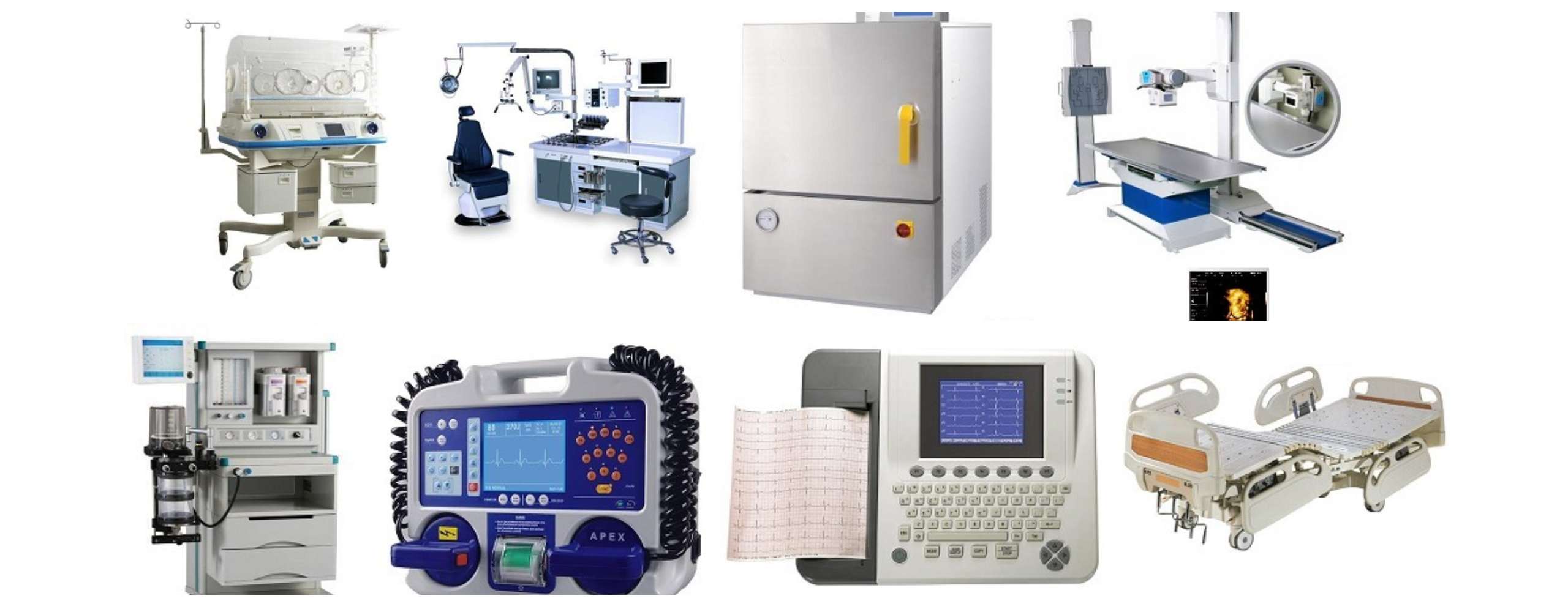
Selecting the right medical equipment supplier is one of the most important decisions for any hospital, clinic, or diagnostic center. The quality of medical equipment directly impacts patient care, diagnostic accuracy, operational efficiency, and the long-term success of a healthcare facility. With numerous suppliers available in the market, finding a trusted partner who provides high-quality equipment, expert technical support, and reliable after-sales service can be challenging.
At Trinity Medihub, we believe that choosing a medical equipment supplier should go beyond comparing prices. Healthcare providers need a partner who understands their requirements, offers comprehensive solutions, and supports them throughout the equipment lifecycle. This guide explains the key factors to consider when selecting a medical equipment supplier for your healthcare facility.
Why Choosing the Right Supplier Matters
Medical equipment is a long-term investment. Selecting an experienced supplier ensures:
- Accurate and reliable diagnosis
- Improved patient safety
- Reduced equipment downtime
- Better return on investment
- Faster installation and commissioning
- Reliable maintenance and technical support
- Long-term operational efficiency
A dependable supplier becomes a strategic partner in the growth of your healthcare organization.
Understand Your Hospital’s Requirements
Before selecting a supplier, evaluate your healthcare facility’s needs.
Ask yourself:
- Are you setting up a new hospital?
- Are you expanding your diagnostic center?
- Do you need equipment upgrades?
- What departments require new equipment?
- What is your available budget?
- Will you need future expansion?
A clear understanding of your requirements helps you choose the most suitable equipment and supplier.
Choose a Supplier with Complete Solutions
Working with multiple vendors often creates communication gaps, delays, and inconsistent service.
Instead, choose a company that offers complete hospital medical equipment solutions, including:
- Diagnostic Imaging Equipment
- ICU Equipment
- Operation Theatre Equipment
- Laboratory Equipment
- Patient Care Equipment
- Hospital Furniture
- Medical Gas Pipeline Systems
- Biomedical Engineering Services
A single trusted partner simplifies procurement and project management.
Evaluate Product Quality
High-quality medical equipment improves diagnostic accuracy and operational reliability.
Before purchasing, ensure the supplier provides:
- Quality-tested equipment
- Certified systems
- Performance verification
- Proper calibration
- Documentation and manuals
- Warranty coverage
Reliable equipment minimizes downtime and maintenance costs.
Check the Product Range
A comprehensive supplier should offer equipment across multiple healthcare departments.
Diagnostic Imaging
- MRI Machines
- CT Scan Machines
- PET-CT Systems
- Digital X-Ray Machines
- Mammography Systems
- Ultrasound Machines
- Cath Lab Systems
- C-Arm Systems
ICU Equipment
- Ventilators
- Patient Monitors
- Defibrillators
- Syringe Pumps
- Infusion Pumps
Operation Theatre
- OT Tables
- OT Lights
- Anesthesia Workstations
- Surgical Pendants
Laboratory
- Hematology Analyzers
- Biochemistry Analyzers
- Electrolyte Analyzers
- Blood Gas Analyzers
A broad product portfolio ensures future scalability.
Experience Matters
Healthcare projects require technical expertise and industry knowledge.
Choose a supplier with experience in:
- Hospital Projects
- Diagnostic Centers
- Government Hospitals
- Corporate Hospitals
- Specialty Clinics
- Medical Colleges
An experienced supplier understands industry standards and project requirements.
Installation and Commissioning
Medical equipment requires professional installation for safe and accurate operation.
Ensure the supplier provides:
- Site inspection
- Equipment transportation
- Installation
- Calibration
- Performance testing
- Commissioning
- Staff training
Proper installation improves equipment lifespan and performance.
After-Sales Support
One of the most important factors is ongoing technical support.
Look for suppliers offering:
- Preventive Maintenance
- Emergency Breakdown Support
- Annual Maintenance Contracts (AMC)
- Comprehensive Maintenance Contracts (CMC)
- Spare Parts Availability
- Software Updates
- Technical Assistance
Strong after-sales support ensures uninterrupted healthcare services.