

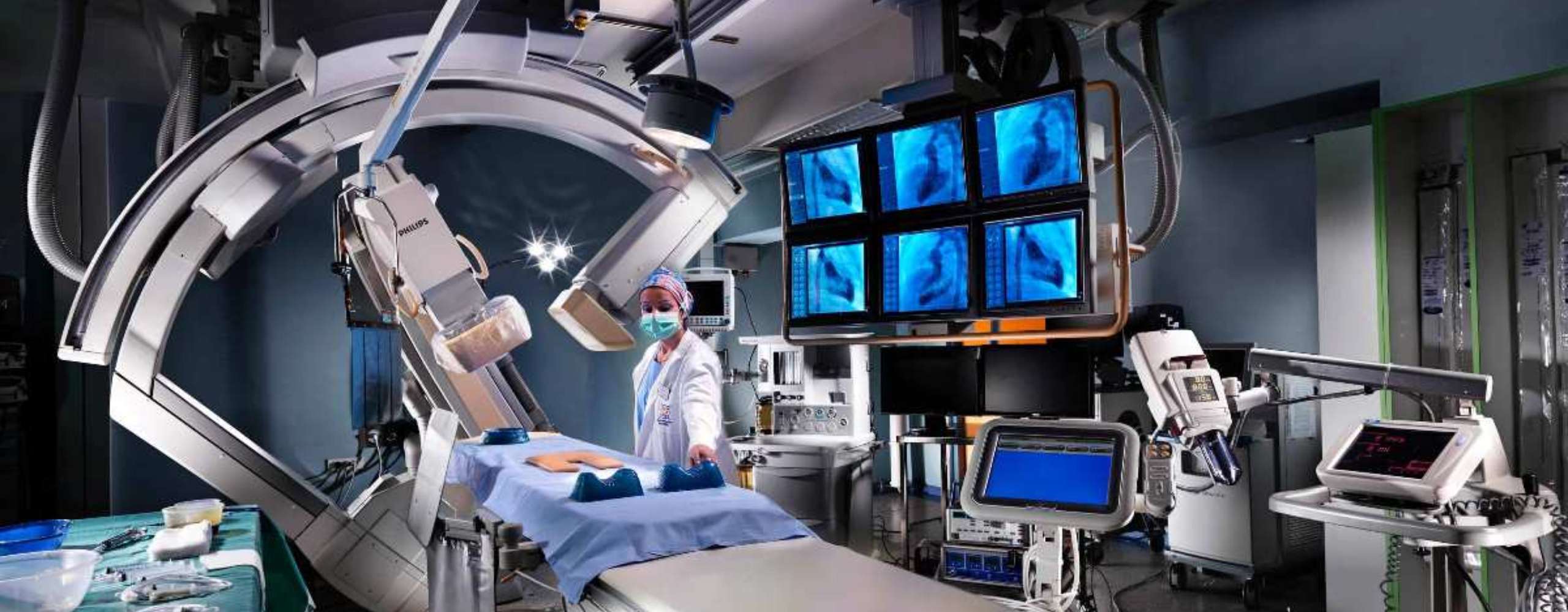
Medical technology has transformed the way healthcare professionals diagnose, monitor, and treat diseases. Advanced diagnostic imaging equipment plays a crucial role in modern healthcare by providing accurate, detailed images of the human body, enabling doctors to detect medical conditions early and develop effective treatment plans.
From MRI and CT scan machines to Digital X-ray, Ultrasound, PET-CT, and Cath Lab systems, diagnostic imaging has become an essential part of hospitals, diagnostic centers, and specialty clinics. Investing in high-quality imaging equipment not only improves patient outcomes but also enhances operational efficiency and the reputation of healthcare institutions.
At Trinity Medihub, we provide complete hospital medical equipment solutions, offering advanced diagnostic imaging systems along with expert installation, maintenance, AMC/CMC services, and nationwide technical support. Our goal is to help healthcare providers deliver accurate diagnoses and exceptional patient care through reliable medical technology.
What Is Diagnostic Imaging?
Diagnostic imaging is the process of creating detailed images of internal organs, tissues, bones, and blood vessels using advanced medical equipment. These images help healthcare professionals diagnose diseases, monitor patient conditions, and guide treatment procedures without invasive surgery.
Modern diagnostic imaging has become an essential component of preventive healthcare, emergency medicine, oncology, cardiology, orthopedics, neurology, and many other medical specialties.
Why Diagnostic Imaging Is Essential
Accurate diagnosis is the foundation of effective treatment. Advanced imaging systems enable physicians to identify health conditions at an early stage, reducing complications and improving patient outcomes.
Some of the major benefits include:
- Early disease detection
- Faster diagnosis
- Improved treatment planning
- Enhanced patient safety
- Reduced need for exploratory surgery
- Better monitoring of treatment progress
- Increased diagnostic confidence
Hospitals equipped with modern imaging systems can deliver quicker and more reliable healthcare services.
Types of Diagnostic Imaging Equipment
MRI Machines
Magnetic Resonance Imaging (MRI) uses powerful magnets and radio waves to produce detailed images of soft tissues, the brain, spine, joints, and internal organs.
Common Applications
- Brain imaging
- Spine examinations
- Orthopedic diagnosis
- Neurology
- Oncology
- Cardiology
MRI systems provide exceptional image quality without using ionizing radiation.
CT Scan Machines
Computed Tomography (CT) scanners produce cross-sectional images using advanced X-ray technology.
Common Applications
- Trauma assessment
- Stroke diagnosis
- Cancer detection
- Chest imaging
- Abdominal examinations
- Emergency medicine
CT scanners are widely used because they provide rapid and highly detailed imaging.
Digital X-Ray Systems
Digital X-ray technology delivers high-quality images almost instantly while reducing radiation exposure compared to conventional systems.
Advantages
- Faster image acquisition
- Improved image quality
- Digital storage
- Easy image sharing
- Reduced film costs
Digital X-ray systems are essential in hospitals, orthopedic clinics, and emergency departments.
Ultrasound Systems
Ultrasound machines use sound waves to visualize internal organs and soft tissues.
Applications
- Pregnancy monitoring
- Cardiology
- Abdominal examinations
- Musculoskeletal imaging
- Urology
- Gynecology
Ultrasound is safe, non-invasive, and widely used across multiple specialties.
Mammography Systems
Digital mammography plays a vital role in the early detection of breast cancer.
Benefits include:
- High-resolution breast imaging
- Early cancer detection
- Improved diagnostic accuracy
- Better patient outcomes
Routine screening significantly improves survival rates through early diagnosis.
PET-CT Systems
PET-CT combines metabolic imaging with CT technology to provide comprehensive diagnostic information.
It is widely used for:
- Oncology
- Cardiology
- Neurology
- Cancer staging
- Treatment monitoring
PET-CT helps physicians detect abnormalities that may not be visible through conventional imaging.
Cath Lab Systems
Cath Lab systems are advanced imaging platforms used for minimally invasive cardiovascular procedures.
Applications include:
- Angiography
- Angioplasty
- Cardiac interventions
- Vascular procedures
High-resolution imaging enables cardiologists to perform complex procedures with greater precision.
Benefits of Advanced Imaging Equipment
Modern healthcare facilities benefit from advanced imaging technology in several ways.
Improved Diagnostic Accuracy
High-quality images allow physicians to identify diseases with greater confidence.
Faster Clinical Decisions
Quick image acquisition reduces waiting times and supports faster treatment.
Enhanced Patient Experience
Non-invasive procedures improve patient comfort and reduce recovery time.
Better Workflow Efficiency
Digital systems streamline image storage, reporting, and communication between departments.
Increased Hospital Reputation
Healthcare providers equipped with advanced technology attract more patients and build greater trust within the community.